Politics1 hour ago
Sinful 😈•60%
Rahul Gandhi Labels Gyanesh Kumar a 'Deshdrohi', BJP Responds
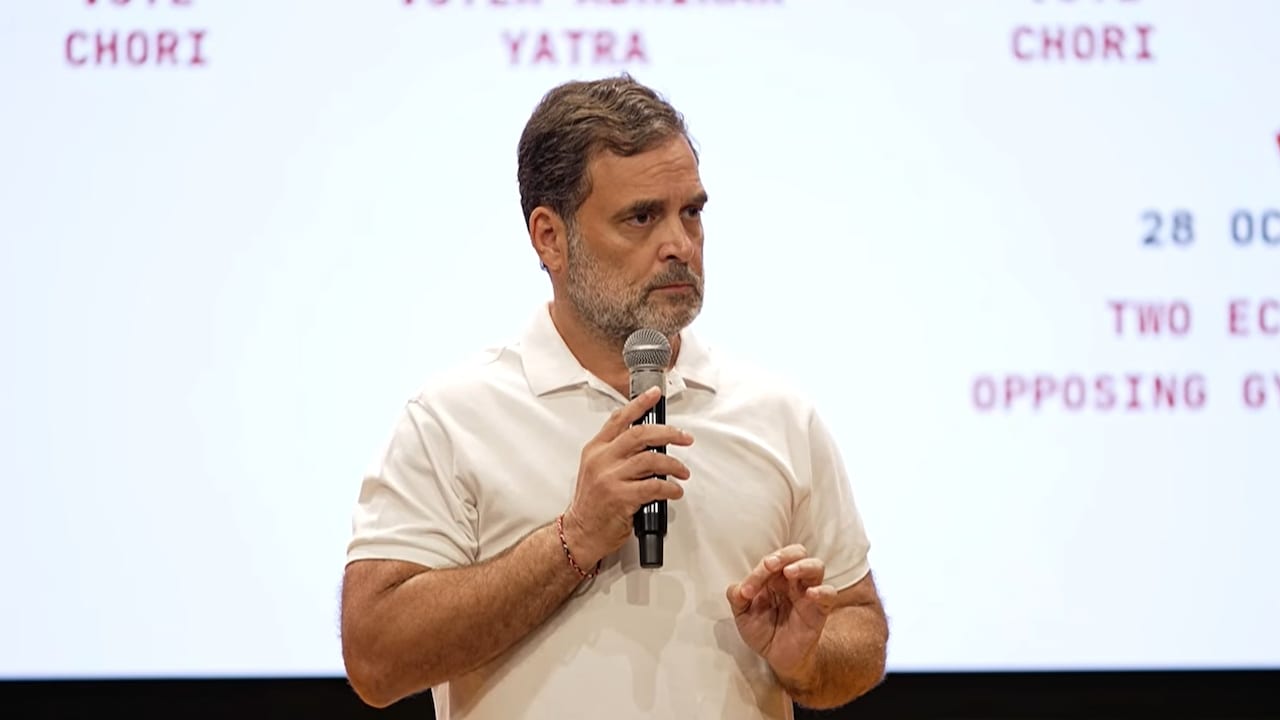
Rahul Gandhi has called Gyanesh Kumar a 'deshdrohi' and demanded his resignation, igniting political tensions. The BJP's reaction adds to the controversy surrounding this accusation, highlighting the ongoing political rivalry in India. This incident underscores the intense scrutiny faced by political figures in the current climate.
⚖️ AI Verdict
"Political drama at its finest!"
📢 Share Intel:
File ID: #404243Original Source: NDTV ↗
🤖 SINS Investigator
Ask about this Intel File
🕵️♂️
File Opened for Analysis
Ask me anything about the event, its implications, or who is responsible for the SINS!
Deepen Investigation
Related Intelligence Files
Politics1 hour ago
Election Commission Disputes: Seshan to Lavasa's Legacy
The Election Commission faces scrutiny over internal disputes, highlighting past conflicts involving TN Seshan and Ashok Lavasa. These disagreements impact the EC's authority and functioning, echoing significant historical events in India's electoral landscape. The recent report sheds light on the ongoing challenges within the commission, raising questions about its integrity and effectiveness.
View File→
Politics1 hour ago
Iran's Maritime Strategy: Impact on Global Oil & India's Position
Iran's strategic use of maritime chokepoints is reshaping global oil flows amid the ongoing US-Iran conflict. As oil supplies dwindle, the US reassesses its approach, while India seeks to leverage its geography against China. This geopolitical landscape highlights the importance of strategic locations in international relations.
View File→
Politics1 hour ago
Rahul Gandhi Critiques BJP, Compares Leaders to Saddam, Kim Jong
Rahul Gandhi criticizes the BJP government, claiming no anti-incumbency exists. He draws parallels with leaders like Saddam Hussein and Kim Jong-un, highlighting concerns over democracy and electoral integrity. His remarks aim to challenge the Election Commission's role and the current political climate in India.
View File→
Politics1 hour ago
Rahul Gandhi's Triple Attack on PM Modi, Shah, and CEC
Rahul Gandhi criticizes PM Modi, Amit Shah, and the Chief Election Commissioner (CEC) in a bold political statement. His remarks highlight concerns over electoral integrity and governance. This confrontation comes amid rising tensions in Indian politics, drawing attention to the accountability of leaders and institutions. Gandhi's stance resonates with voters seeking transparency and reform.
View File→