Technology1 day ago
Naughty 😇•10%
MIT Robot Develops Laser Cavity in 30 Minutes: A Breakthrough
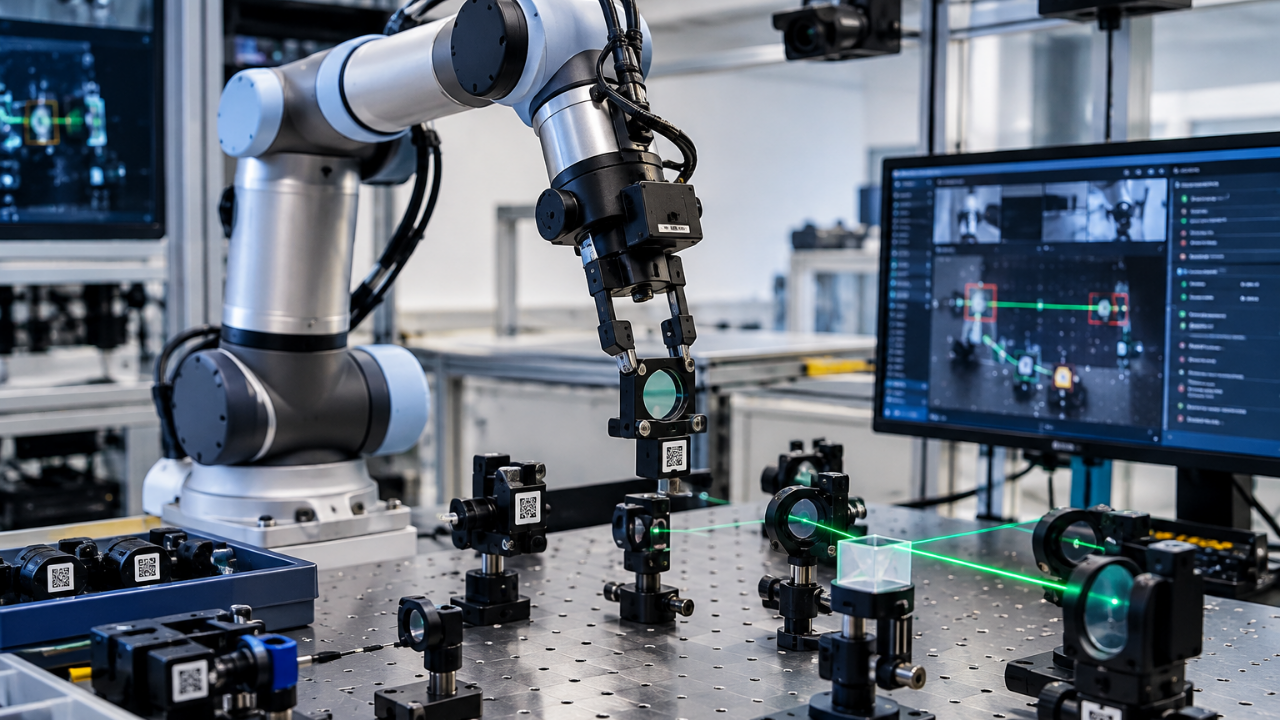
MIT's new robot can autonomously build laser cavities in under 30 minutes, revolutionizing optics research. This innovative system not only assembles but also aligns laser setups with precision, correcting disturbances in real-time. The technology promises to speed up testing for optical devices and materials, paving the way for future remote research applications.
⚖️ AI Verdict
"Robots are taking over the lab, but in a good way!"
📢 Share Intel:
File ID: #397495Original Source: Times Of India ↗
🤖 SINS Investigator
Ask about this Intel File
🕵️♂️
File Opened for Analysis
Ask me anything about the event, its implications, or who is responsible for the SINS!
Deepen Investigation
Related Intelligence Files
Technology44 minutes ago
Terrorists Use AI to Plan Attacks: The Dark Side of Technology
Terrorists are increasingly leveraging AI technology to plan attacks, raising significant security concerns. This alarming trend highlights the dual-use nature of AI, where advancements meant for good can also be exploited for malicious purposes. Experts warn that without proper regulations and safeguards, the potential for AI-driven terrorism could escalate, making it crucial for governments and tech companies to collaborate on preventive measures.
View File→
Technology44 minutes ago
Nashua Teen Creates $1,800 Device to Convert Brain Signals to Speech
A Nashua teen has developed an innovative $1,800 device that translates brain signals into speech. This groundbreaking technology aims to assist individuals with speech impairments, showcasing the potential of brain-computer interfaces. The project highlights the intersection of neuroscience and technology, paving the way for future advancements in communication aids.
View File→
Technology44 minutes ago
India's Semiconductor Industry: Ashwini Vaishnaw Warns of Sabotage
IT Minister Ashwini Vaishnaw warns India's semiconductor industry to brace for potential sabotage attempts. As India pushes for technological self-reliance, concerns grow over external threats. The government emphasizes the importance of security in the semiconductor sector to ensure progress and innovation.
View File→
Technology44 minutes ago
India's Semiconductor Strategy: Boosting Chips for Cars & TVs
India aims to enhance its semiconductor industry, focusing on chips for cars, TVs, and power infrastructure. The government plans to expand beyond assembly and testing, investing in design, fabrication, and materials to strengthen its global position in the semiconductor value chain.
View File→