Environment1 month ago
Hellish 🔥•75%
US Nuclear Gas Experiment: 213M Cubic Feet of Radioactive Gas
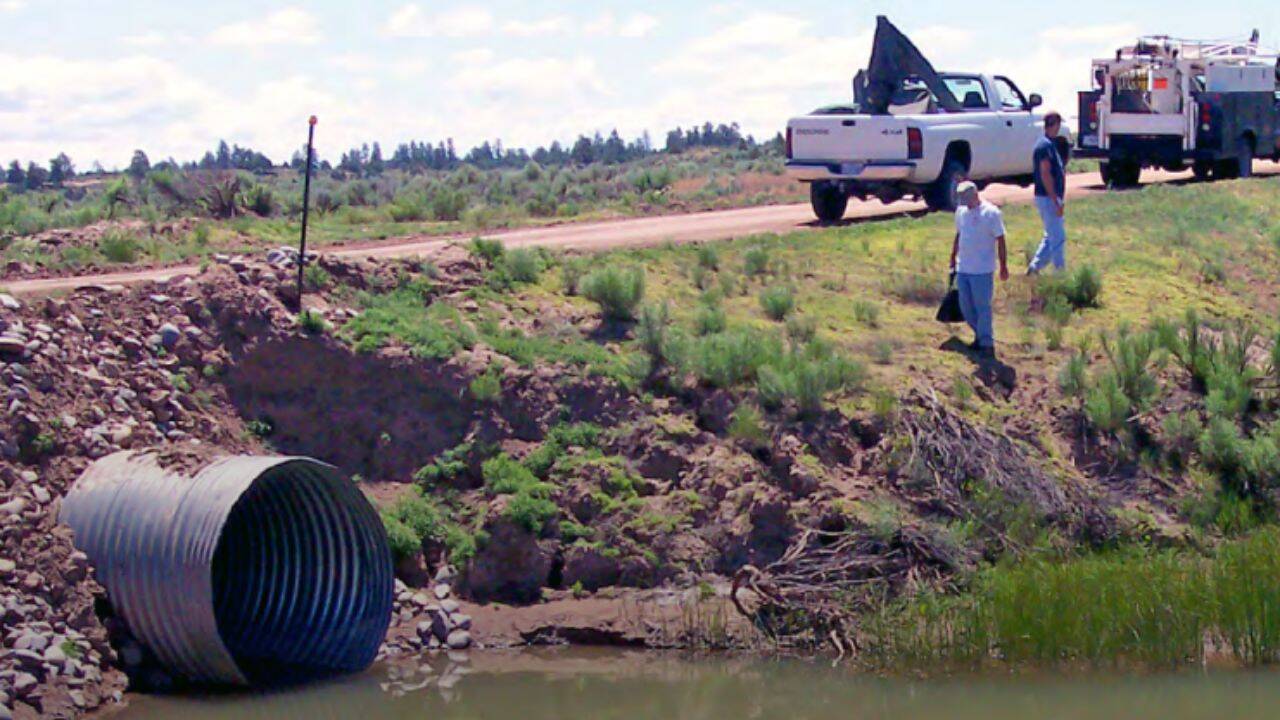
The 1967 US nuclear gas experiment in New Mexico produced 213 million cubic feet of gas, but it was radioactive. This controversial test aimed to enhance natural gas production but left behind a legacy of contamination. Despite cleanup efforts, radioactive materials remain in the blast zone, raising concerns about environmental safety and energy practices.
⚖️ AI Verdict
"Nuclear experiments and radioactive gas? Sounds like a recipe for disaster!"
📢 Share Intel:
File ID: #390406Original Source: Times Of India ↗
🤖 SINS Investigator
Ask about this Intel File
🕵️♂️
File Opened for Analysis
Ask me anything about the event, its implications, or who is responsible for the SINS!
Deepen Investigation
Related Intelligence Files
Environment12 days ago
Haplothismia exannulata: Rediscovered Plant Shines in Wildlife Week
Haplothismia exannulata, a plant once believed extinct, is the highlight of Wildlife Week at Parambikulam. Rediscovered 26 years ago, this tiny plant captivates visitors and raises awareness about biodiversity. The exhibition emphasizes the importance of conservation efforts in protecting rare species and their habitats.
View File→
Environment13 days ago
Bitou Bush Invasion: NSW's 1946 Planting Threatens Coastline
Bitou bush, planted in NSW in 1946, now covers 46% of the coast, threatening native vegetation. This invasive species disrupts habitats and replaces local flora. A Threat Abatement Plan is in place to combat its spread and protect biodiversity along the coastline.
View File→
Environment13 days ago
Adani Group and Kachchh University Launch Green Energy Center
Adani Group and Kachchh University have launched a Green Energy Centre of Excellence to promote sustainable energy solutions. This initiative aims to provide structured learning in renewable energy technologies, fostering innovation and research in the green sector. The collaboration underscores the importance of education in advancing sustainable practices and addressing climate change challenges.
View File→
Environment13 days ago
Assam's Dhemaji: Grazing Land Transformed into Village Forest
Dhemaji, Assam, is transforming grazing land into a village forest, enhancing local biodiversity. This initiative in Bardoloni aims to promote sustainable land use and community engagement. The Maghuwa Hola project reflects a growing trend in environmental conservation efforts across India.
View File→