Environment1 hour ago
Naughty 😇•10%
Tasmania Eradicates Invasive Carp: 28-Year Success Story
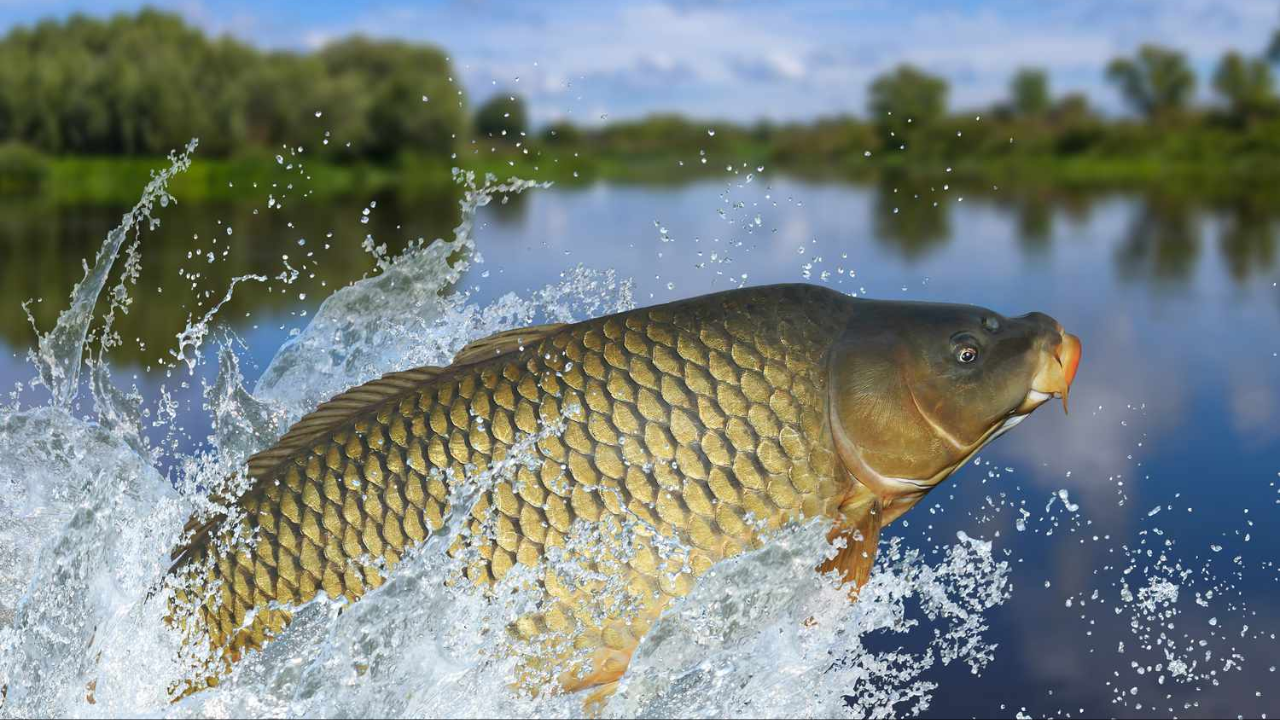
Tasmania has declared invasive carp functionally eradicated after 28 years. The removal of over 49,000 carp from Lake Sorell and Lake Crescent has revitalized native ecosystems and improved fishing. This successful campaign highlights the importance of managing invasive species for environmental recovery.
⚖️ AI Verdict
"A fishy tale with a happy ending for Tasmania's lakes!"
📢 Share Intel:
File ID: #363378Original Source: Times Of India ↗
🤖 SINS Investigator
Ask about this Intel File
🕵️♂️
File Opened for Analysis
Ask me anything about the event, its implications, or who is responsible for the SINS!
Deepen Investigation
Related Intelligence Files
Environment1 hour ago
Reindeer Eradication on South Georgia: Restoring Native Ecosystems
Reindeer eradication on South Georgia is crucial for restoring native ecosystems. Introduced in 1911, these animals harmed coastal habitats by overpopulating. A successful initiative culled nearly 7,000 reindeer, allowing native flora and seabirds to recover. This ecological restoration highlights the importance of managing invasive species.
View File→
Environment4 hours ago
Utah's 1990 Fish Removal Boosts Strawberry Reservoir Ecosystem
Utah's 1990 rotenone application removed 99% of fish, revitalizing Strawberry Reservoir. This strategic move led to 715K annual fish catches, showcasing successful ecosystem restoration. Wildlife officials focused on introducing native trout and implementing regulations to protect this vital habitat, promoting sustainable recreational fishing.
View File→
Environment4 hours ago
Visakhapatnam Pollution Crisis: Black Dust Threatens Health
Residents of Visakhapatnam face severe pollution as black dust settles daily, raising health concerns. Industrial emissions, coal, and iron ore dust contribute to this ongoing crisis. Areas like One Town and Gajuwaka are particularly affected, with residents fearing for their well-being amidst worsening air quality.
View File→
Environment4 hours ago
Pollution Threatens 300-Year Fishing Tradition on Historic River
Pollution is endangering a 300-year fishing tradition on a historic river once frequented by President Jimmy Carter. This environmental crisis highlights the urgent need for pollution control and conservation efforts. Local families, who have relied on this river for generations, are now facing the devastating impact of environmental neglect. The loss of fish not only affects livelihoods but also disrupts a rich cultural heritage.
View File→