Environment3 hours ago
Naughty 😇•10%
Brazilian Mother-Daughter Duo Builds Home from 8,000 Bottles
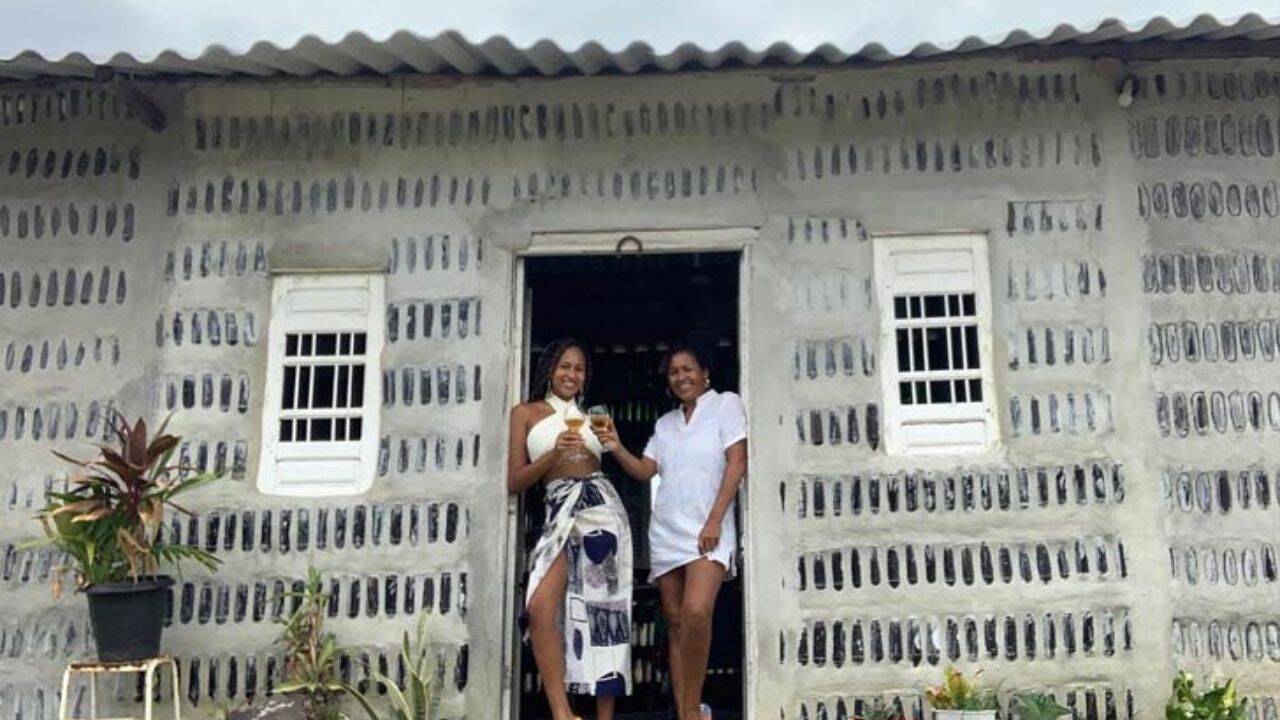
A Brazilian mother and daughter built a stunning seven-bedroom home using 8,000 recycled glass bottles. This innovative project, named the Salt House, tackles beach pollution and housing shortages while promoting sustainability. Featuring reclaimed wood and toothpaste tubes, it serves as a community hub for environmental education and creative reuse.
⚖️ AI Verdict
"Building a home from bottles? Talk about recycling goals!"
📢 Share Intel:
File ID: #362519Original Source: Times Of India ↗
🤖 SINS Investigator
Ask about this Intel File
🕵️♂️
File Opened for Analysis
Ask me anything about the event, its implications, or who is responsible for the SINS!
Deepen Investigation
Related Intelligence Files
Environment5 hours ago
Canadian Wildfires Slash Solar Power by 6.38 TWh, $1.9bn Loss
Canadian wildfires have drastically reduced solar power generation by 6.38 TWh, leading to a $1.9 billion economic loss in 2023. The smoke from these wildfires has not only diminished solar output across North America and Europe but also increased carbon emissions. Additionally, air pollution from vehicles and physical damage to solar infrastructure further complicate energy production. Enhanced forecasting and better vegetation management are essential to tackle these challenges.
View File→
Environment5 hours ago
Marty Bluewater: Last Resident of Washington's Protection Island
Marty Bluewater is the sole resident of Protection Island, Washington, once intended for a holiday community. Since its designation as a National Wildlife Refuge in 1982, conservation efforts have preserved its wildlife habitat, leaving Bluewater as the island's only inhabitant. His unique story highlights the balance between human presence and wildlife conservation.
View File→
Environment5 hours ago
TNSWA Advocates Regulated Construction Near Pallikaranai Marshland
TNSWA urges the Madras High Court to regulate, not ban, construction activities around Pallikaranai marshland. The organization presented a proposed interim 'Zone of Influence' from the National Centre for Sustainable Coastal Management, highlighting the need for sustainable development. This approach aims to balance environmental protection with urban growth in the region.
View File→
Environment6 hours ago
Idaho's Successful Battle Against Invasive Lake Trout Decline
Idaho's initiative to combat invasive lake trout has led to a 64% drop in their numbers. This program, utilizing commercial nets and angler incentives, has allowed native species like rainbow trout and sockeye salmon to thrive. Hydroacoustic assessments show kokanee densities not seen since the 1970s, indicating a positive shift in the ecosystem. The resurgence of these native fish highlights the effectiveness of Idaho's management efforts.
View File→