Environment54 minutes ago
Sinful 😈•70%
Giant Whales Thrive in Greenland as Climate Change Melts Ice
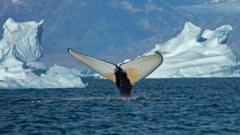
Giant whales are flocking to Greenland waters due to melting sea ice, creating unprecedented feeding opportunities. This shift highlights the impact of climate change on marine ecosystems and whale behavior. As ice disappears, these majestic creatures are adapting to new feeding grounds, showcasing the dynamic relationship between climate and wildlife.
⚖️ AI Verdict
"Whales are making the best of a bad situation—talk about adapting!"
📢 Share Intel:
File ID: #359516Original Source: BBC ↗
🤖 SINS Investigator
Ask about this Intel File
🕵️♂️
File Opened for Analysis
Ask me anything about the event, its implications, or who is responsible for the SINS!
Deepen Investigation
Related Intelligence Files
Environment54 minutes ago
British Barley Field Transforms into Lush Woodland in 60 Years
A six-decade study shows how passive rewilding turns a barley field into thriving woodlands. This eco-friendly method allows young trees to flourish, protected from herbivores. Wind and jays play a crucial role in seed dispersal, creating unique woodland patterns. The area now resembles ancient woodlands, highlighting an effective approach to woodland restoration.
View File→
Environment54 minutes ago
Montana Shrimp Stocking in 1968 Caused Salmon Population Crash
The 1968 introduction of opossum shrimp in Montana led to a drastic decline in kokanee salmon. This ecological disruption affected the food chain, harming eagles and bears reliant on salmon. The thriving lake trout population further exacerbated the decline, altering Flathead Lake's ecosystem and impacting indigenous fish species.
View File→
Environment2 hours ago
Giant 746lb Bluefin Tuna Caught Off Yorkshire Coast
A massive 746lb bluefin tuna has been caught off the Yorkshire coast, marking the species' return to UK waters after nearly 90 years. This historic catch, located about 10 miles from Whitby, highlights the impact of warming seas and improved fishing regulations. Scientists suggest that recovering fish stocks may also contribute to the resurgence of this iconic species, which previously set a British record at 851lb in 1933.
View File→
Environment2 hours ago
Keralam's Hill Stations: ₹30 Lakh Fund for Carrying Capacity Study
Keralam's government allocates ₹30 lakh for a crucial carrying-capacity study of hill stations like Wayanad and Idukki. This initiative aims to manage mass tourism while evaluating its environmental and infrastructural impacts. The study is essential for sustainable tourism development in these popular destinations.
View File→