Environment1 hour ago
Hellish 🔥•75%
Invasive Wild Boars in Great Smoky Mountains: Ongoing Battle
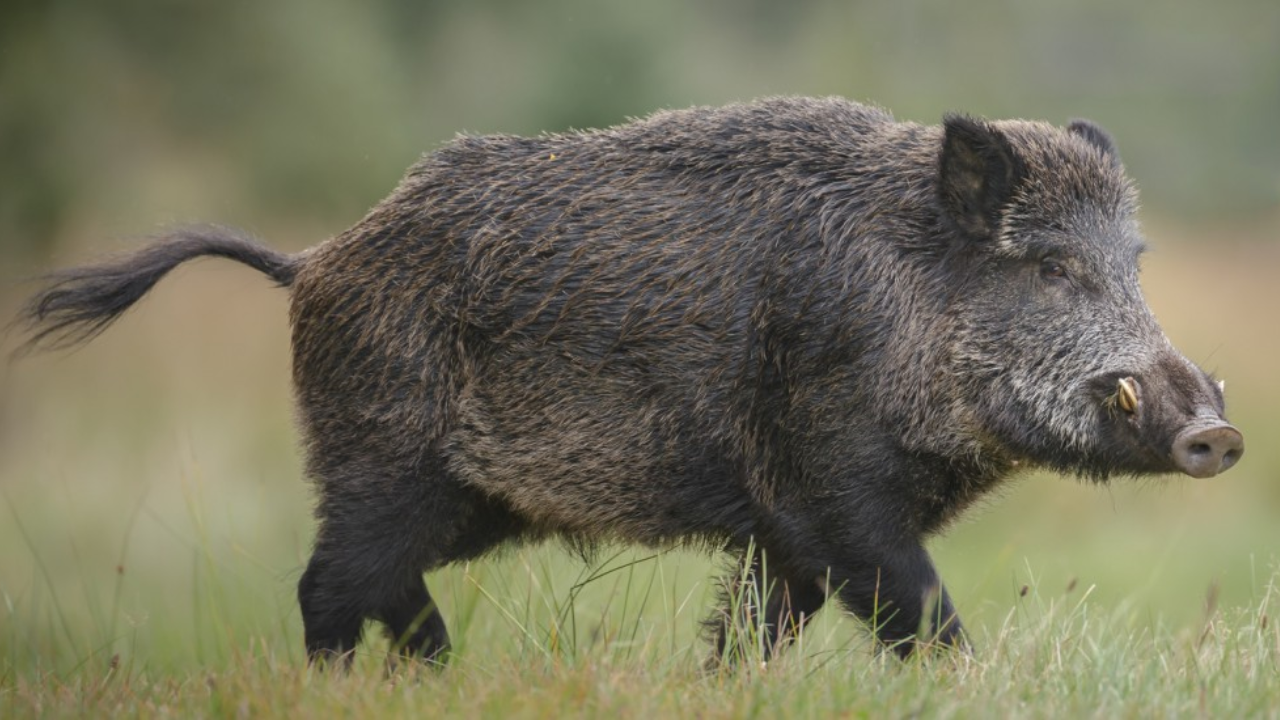
Invasive wild boars threaten ecosystems in the Great Smoky Mountains. Since their introduction in 1912, these feral hogs have bred with domestic pigs, creating hybrids that disrupt native wildlife. Park management removes about 275 boars annually through trapping and shooting to protect delicate habitats. Ongoing control efforts include fencing strategies to mitigate their impact.
⚖️ AI Verdict
"Wild boars are definitely the uninvited guests of the Smokies!"
📢 Share Intel:
File ID: #357656Original Source: Times Of India ↗
🤖 SINS Investigator
Ask about this Intel File
🕵️♂️
File Opened for Analysis
Ask me anything about the event, its implications, or who is responsible for the SINS!
Deepen Investigation
Related Intelligence Files
Environment1 hour ago
New Zealand's Himalayan Tahr: From Five to Thousands, Invasive Crisis
New Zealand's Himalayan tahr population exploded from just five to tens of thousands, threatening native ecosystems. Introduced in 1904 for sport hunting, these invasive species have led to ongoing challenges for conservationists and government control measures. Aerial shooting efforts have struggled to manage their numbers, highlighting the complexities of wildlife management in New Zealand.
View File→
Environment1 hour ago
Train Stops for Elephant Herd Crossing in Assam - Safe Passage
A train in Assam halted to allow a herd of elephants to cross the railway track safely. The Assam Forest staff coordinated with railway control to ensure the elephants' safe passage. This incident highlights the importance of wildlife protection and human-animal coexistence in India.
View File→
Environment1 hour ago
High Faecal Contamination Found in Six Kerala Rivers
High faecal contamination levels in Kerala rivers raise health concerns. Water samples from six rivers showed coliform counts ranging from 4,500 to 550,000 MPN per 100 ml. This alarming data, collected from February to May under the National Water Quality Monitoring Programme, highlights the urgent need for environmental action in Kerala.
View File→
Environment1 hour ago
KBJNL Uncovers Water Theft in Vijayapura's Irrigation Canal
KBJNL has detected water siphoning from the Malaghan West Canal in Vijayapura. This incident, affecting the Mulwad Irrigation Project, raises concerns about resource management in Babaleshwar taluk. Authorities are investigating the damage at both ends of the canal to prevent further losses.
View File→