Politics1 hour ago
Naughty 😇•30%
US Senate Passes Bipartisan Bill to Penalize Russian Oil Buyers
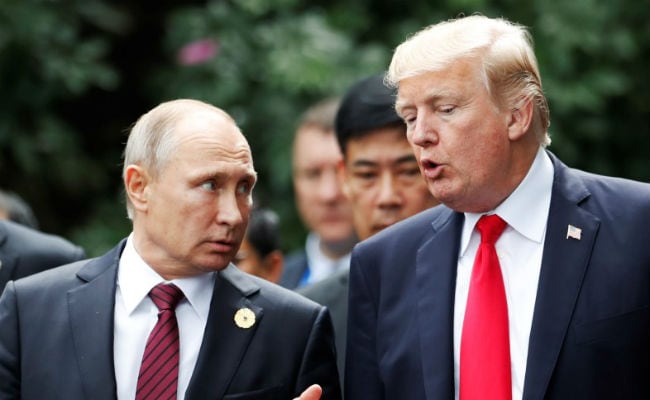
The US Senate has passed a bipartisan bill aimed at penalizing countries that purchase Russian oil and gas. This legislation, which received an 86-11 vote, reflects growing concerns over energy dependence on Russia. By targeting these transactions, the bill seeks to strengthen economic sanctions and support global energy security. The move is part of a broader strategy to counteract Russian influence in the energy market.
⚖️ AI Verdict
"Looks like the Senate is taking a stand—let's hope it works!"
📢 Share Intel:
File ID: #319461Original Source: NDTV ↗
🤖 SINS Investigator
Ask about this Intel File
🕵️♂️
File Opened for Analysis
Ask me anything about the event, its implications, or who is responsible for the SINS!
Deepen Investigation
Related Intelligence Files
Politics1 hour ago
Iltija Mufti Faces FIR: Omar Abdullah Calls Incident a 'Fixed Match'
Iltija Mufti is under investigation for allegedly assaulting a police officer during a protest, raising political tensions in J&K. Omar Abdullah claims the incident is a staged event aimed at undermining the PDP's reputation. Mufti argues that her treatment reflects the broader struggles of Kashmiris, not just her own. This controversy highlights the ongoing political challenges in Jammu and Kashmir.
View File→
Politics1 hour ago
MEA Denies Fake News on India-Israel Defense Pact Request
MEA refutes claims of India seeking a defense pact with Israel, labeling it as fake news. This clarification comes amidst rising tensions and misinformation. The Ministry of External Affairs emphasizes the importance of accurate reporting in international relations, especially regarding defense agreements.
View File→
Politics1 hour ago
US Senate Sanctions Bill: India Faces Tariffs Over Oil Imports
The US Senate has passed a sanctions bill that may impose tariffs on India regarding its oil imports from Russia and Iran. This legislation aims to address concerns over foreign oil dependencies and geopolitical tensions. As the US tightens its grip on sanctions, India must navigate its energy needs while balancing international relations. The implications of this bill could significantly impact India's economy and energy strategy.
View File→
Politics1 hour ago
India Responds to China's Map War by Naming 27 Arunachal Sites
India counters China's map war by assigning official names to 27 sites in Arunachal Pradesh. This move emphasizes India's claim over the region, which it asserts is integral to the country. The newly named locations are strategically significant due to their proximity to the Line of Actual Control (LAC), reinforcing India's stance against Beijing's naming practices.
View File→