Business1 hour ago
Naughty 😇•10%
Rupee Reaches 1-Month High Against US Dollar Amid RBI Pause
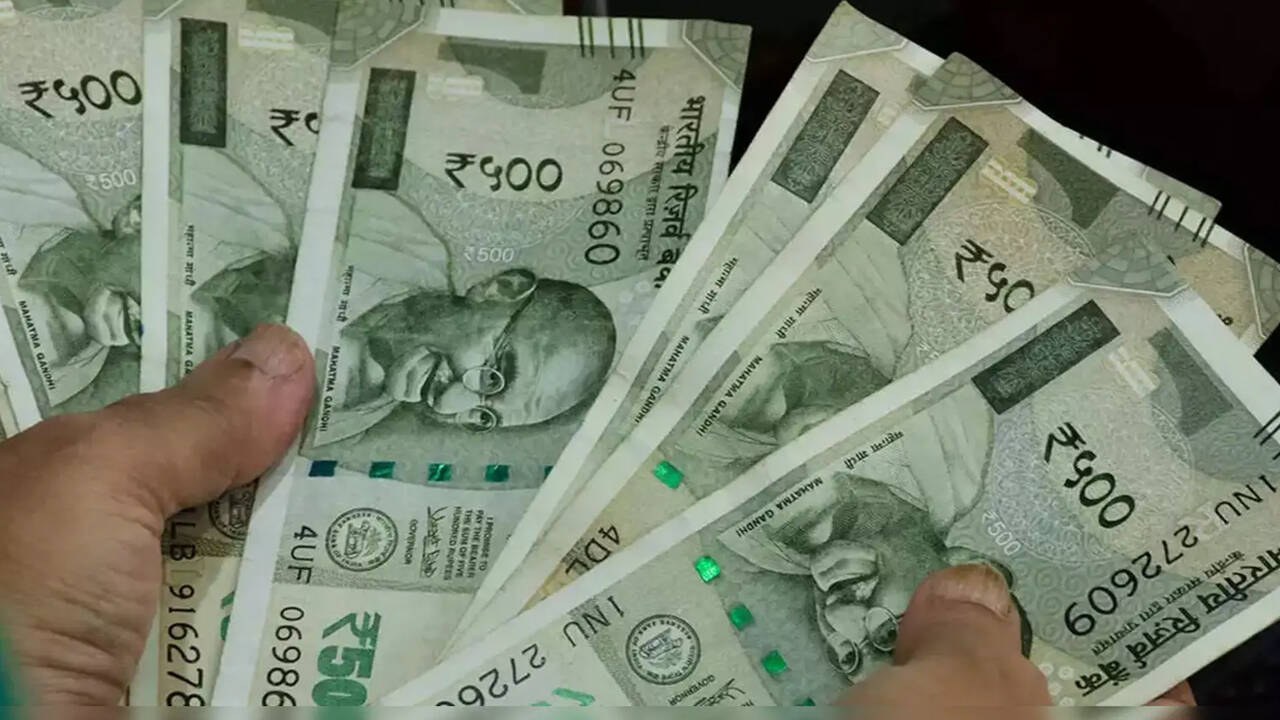
The Indian Rupee hits a one-month closing high of 95.1175 against the US dollar, boosted by sliding oil prices and the RBI's decision to pause. This marks the currency's strongest level since July 7, reflecting positive market sentiment. Analysts suggest that the combination of a stronger Rupee and lower oil prices could enhance India's economic outlook.
⚖️ AI Verdict
"Looks like the Rupee is flexing its muscles!"
📢 Share Intel:
File ID: #314666Original Source: Times Of India ↗
🤖 SINS Investigator
Ask about this Intel File
🕵️♂️
File Opened for Analysis
Ask me anything about the event, its implications, or who is responsible for the SINS!
Deepen Investigation
Related Intelligence Files
Business1 hour ago
Will UPI Payments Stay Free? Bernstein Predicts Future Fees
Will UPI payments remain free? Bernstein suggests consumers may stay unaffected despite potential Merchant Discount Rates (MDR). Large merchants could face a 30-40 bps fee, while small merchants and low-value transactions might remain exempt. RBI Governor Sanjay Malhotra indicates it's too early for definitive comments on this matter.
View File→
Business1 hour ago
Tax Implications for Selling US Shares After Returning to India
Learn how selling US-listed shares after returning to India is taxed. Indian tax law doesn't offer exemptions for losses due to rupee depreciation, impacting investors. Understanding these tax implications is crucial for expatriates managing foreign investments.
View File→
Business1 hour ago
Radhika Gupta Explains Why REITs Aren't Fixed-Income Investments
Radhika Gupta clarifies that REITs are not fixed-income investments. While they offer regular payouts, their returns are tied to rental income and property cycles, making them riskier than traditional debt. Understanding this distinction is crucial for investors seeking diversification in their portfolios.
View File→
Business1 hour ago
RBI's Framework May Keep Tata Sons as Upper-Layer NBFC
RBI's new framework could allow Tata Sons to maintain its upper-layer NBFC status. Governor Sanjay Malhotra emphasized that the decision hinges on Tata Sons' CIC license application, impacting its listing prospects. This development is crucial for Tata Sons as it navigates regulatory landscapes.
View File→