Science1 hour ago
Naughty 😇•10%
Capuchin Monkeys Use AI Touchscreen to Learn Kissing Skills
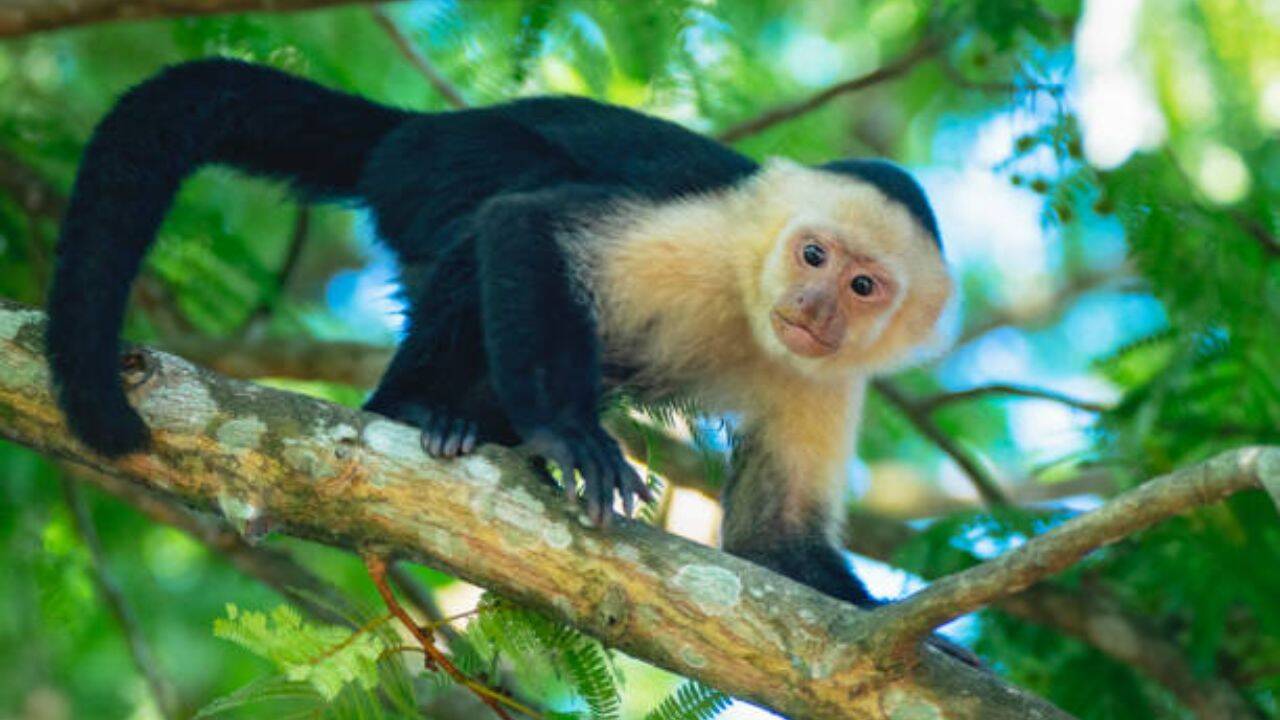
Capuchin monkeys in Costa Rica are learning to kiss an AI touchscreen, showcasing their cognitive abilities. The innovative CapuchinAI system employs facial recognition and touchscreen technology to conduct cognitive tests, revealing unique learning traits. This research marks a significant advancement in understanding primate cognition in natural environments, paving the way for future studies.
⚖️ AI Verdict
"Monkeys kissing screens? That's one way to get a little closer to nature!"
📢 Share Intel:
File ID: #310367Original Source: Times Of India ↗
🤖 SINS Investigator
Ask about this Intel File
🕵️♂️
File Opened for Analysis
Ask me anything about the event, its implications, or who is responsible for the SINS!
Deepen Investigation
Related Intelligence Files
Science5 hours ago
Kingsnakes: Nature's Venomous Snake Hunters in North America
Discover the fascinating kingsnake, a non-venomous predator that hunts venomous snakes and more. These adaptable reptiles thrive across diverse North American habitats, showcasing a unique resistance to pit viper venom. By controlling populations of rodents and snakes, kingsnakes play a crucial ecological role, making them vital to their ecosystems.
View File→
Science5 hours ago
12-Year-Old Ahmed Abdelsalam Innovates Clean Energy with VERDA
Ahmed Abdelsalam, a 12-year-old Cambridge student, has developed VERDA, a groundbreaking system that converts movement into clean energy. This innovative project harnesses energy from walking, wind, and waves, positioning him as a finalist in the 2026 3M Young Scientist Challenge. Competing for a $25,000 prize, Abdelsalam's work exemplifies the potential of youth in renewable energy solutions.
View File→
Science9 hours ago
India's First Comprehensive Catalogue of 13,703 Butterfly Species
India has documented 13,703 species of butterflies and moths, marking a significant milestone in biodiversity research. This extensive survey highlights the country's rich lepidopteran diversity and contributes to global conservation efforts. The catalogue serves as a vital resource for researchers and nature enthusiasts alike, showcasing India's commitment to environmental preservation.
View File→
Science13 hours ago
Connecticut Student, 12, Tackles Ocean Acidification for $25K Prize
A 12-year-old Connecticut student is a finalist in a science competition with her project aimed at reducing ocean acidification. By utilizing algae and natural calcium buffers, her innovative approach seeks to protect marine life from harmful acidic conditions. Competing for a $25,000 grand prize, she exemplifies how young innovators can contribute to vital environmental solutions.
View File→