Science2 hours ago
Hellish 🔥•75%
New World Screwworm Parasite Spreads in US: Smell May Help
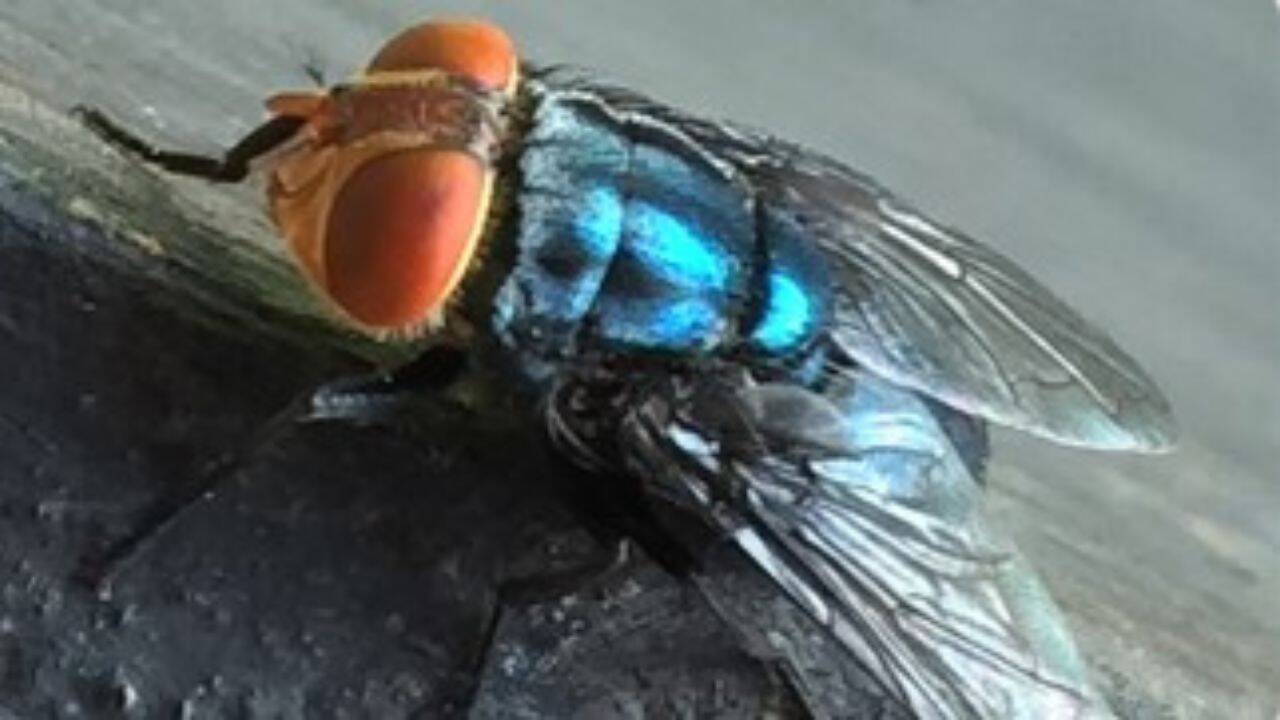
A dangerous parasite, the New World screwworm, is spreading in the US, prompting urgent research into its attractants. Scientists are focusing on foul-smelling chemical signals that lure this flesh-eating fly, which lays eggs in open wounds. Current traps are ineffective, attracting related species instead, making detection challenging. Identifying the preferred odors of this parasite could enhance detection and control methods, ensuring better protection for livestock and wildlife.
⚖️ AI Verdict
"When it comes to parasites, it's best to keep your distance!"
📢 Share Intel:
File ID: #277470Original Source: Times Of India ↗
🤖 SINS Investigator
Ask about this Intel File
🕵️♂️
File Opened for Analysis
Ask me anything about the event, its implications, or who is responsible for the SINS!
Deepen Investigation
Related Intelligence Files
Science40 minutes ago
Lake Malawi's Fly Larvae Defy Science: Surviving Deep Water
Lake Malawi's fly larvae challenge scientific beliefs by thriving in deep water. These Chaoborus edulis larvae use specialized air sacs and a unique pH-powered mechanism for buoyancy control, allowing them to manage extreme pressures. This groundbreaking discovery sheds light on insect evolution and opens new avenues for material science applications.
View File→
Science4 hours ago
NASA's Bold Mission: Exploring Saturn's Rings with Two Projects
NASA's new projects aim to explore Saturn's rings, one of the solar system's most dangerous environments. These ambitious missions promise unprecedented insights into Saturn's structure and composition. With cutting-edge technology and a team of dedicated scientists, NASA is set to push the boundaries of space exploration. Discover how these initiatives could revolutionize our understanding of planetary science.
View File→
Science9 hours ago
Discover Why Lobsters Don't Chew with Their Mouths
Lobsters have a unique way of eating that doesn't involve chewing with their mouths. Instead, they use specialized body parts to grind food. Understanding this fascinating aspect of lobster biology reveals insights into their feeding habits and adaptations in marine environments.
View File→
Science20 hours ago
US Government Funds Scientists to Boost Tech Against China
The US government is funding individual scientists to enhance technological innovation and maintain its competitive edge against China. This strategic shift, moving away from large institutions, aims to accelerate scientific discovery and ensure advancements benefit all Americans. Federal agencies are required to submit action plans within ninety days, focusing on AI and new research organizations to revitalize the science and technology sectors.
View File→